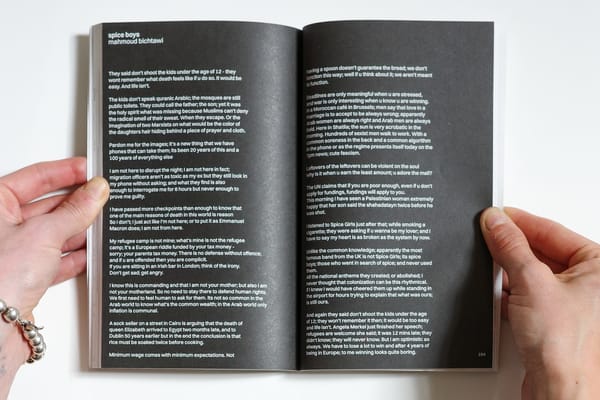
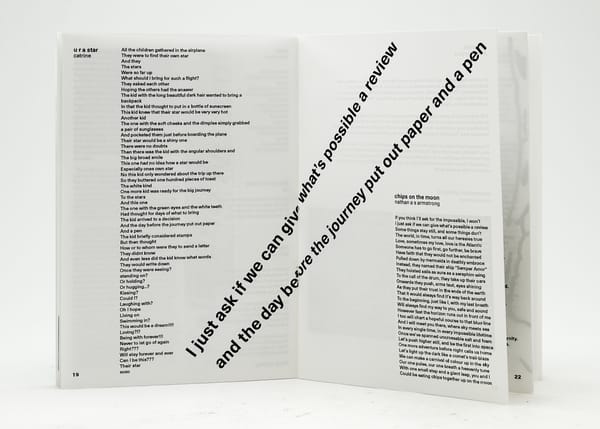
we won a european design award!
and listened to lots of talks and loved ljubljana
the european design festival happens every year, and hosts a programme of lectures and talks as well as the gala for the european design awards (it was our first ever gala! big week for the bog!).
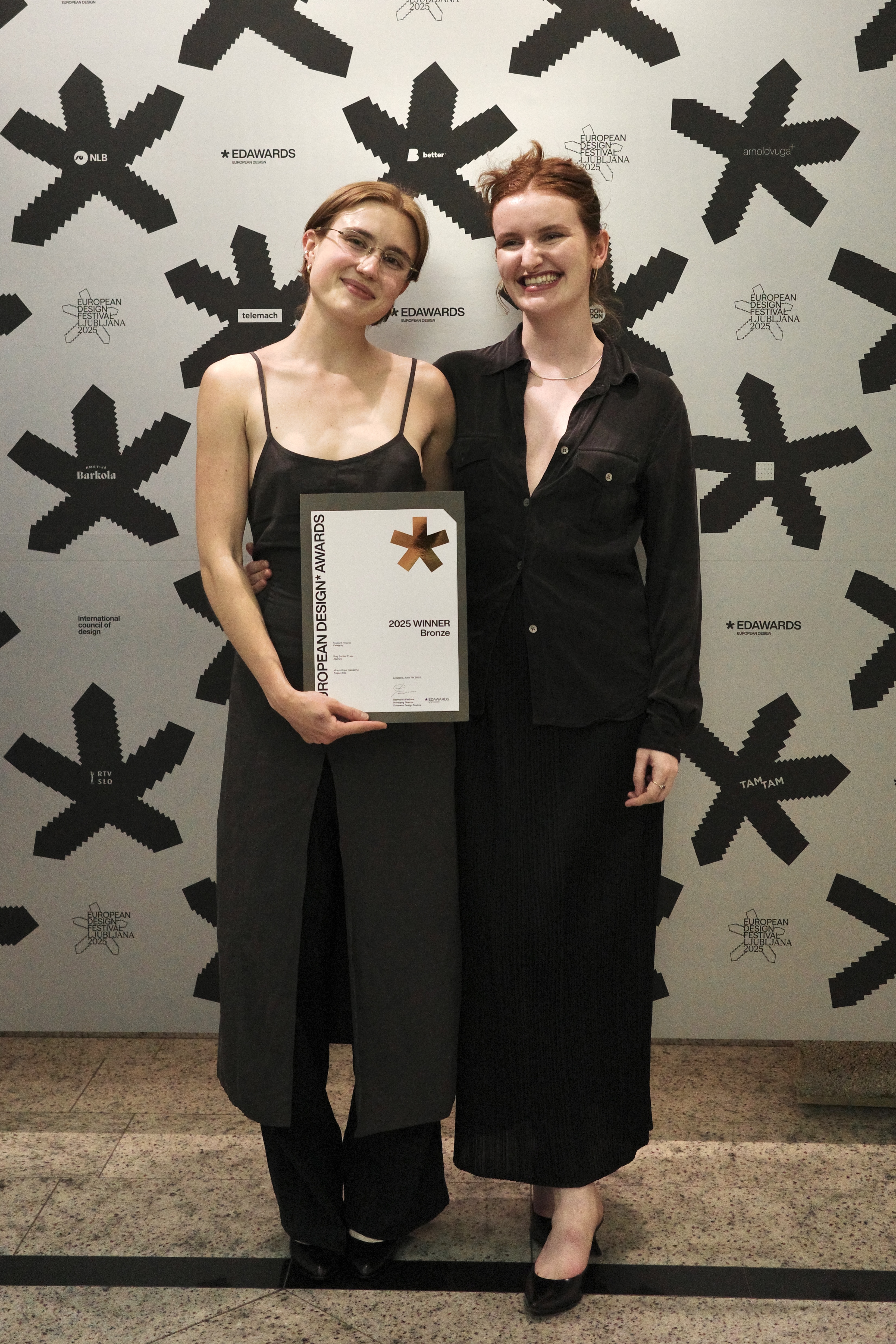
this year it was hosted in lovely ljubljana, and we had such a wonderful weekend that we wanted to share it all with you. here, you’ll find our debrief on the talks that stuck with us most strongly.
Petra Černe Oven about Jože Brumen
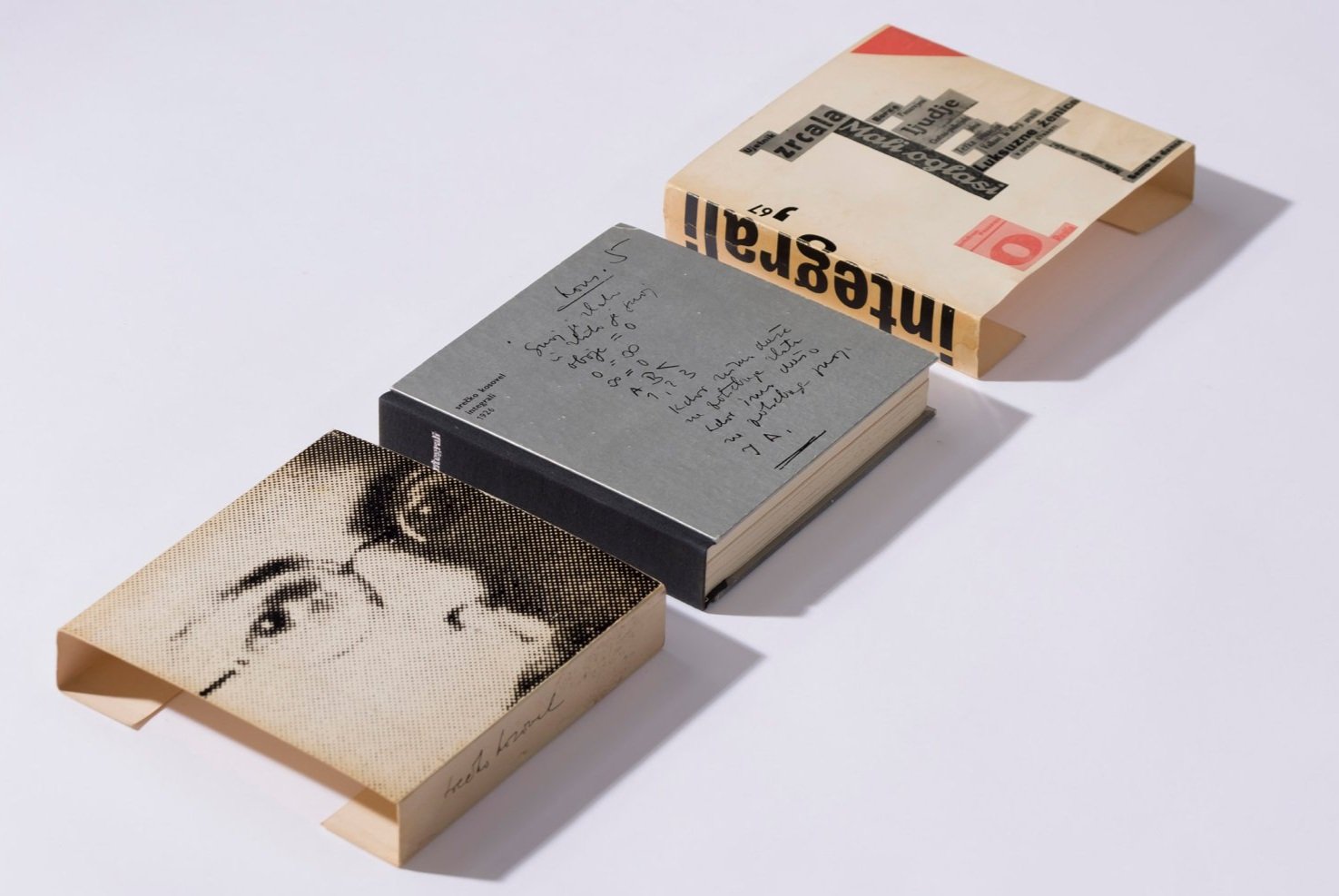
the phenomenal petra černe oven gave this jam-packed lecture on jože brumen. brumen was a slovenian graphic design pioneer who used modernist principles to create incredible works - one of our favourites shown was the book ‘integrali’, in which he literally brought poetry to life through his graphics on the page. (it made us very very excited to get started on issue 008!)
one of our key takeaways from the lecture, however, was that he immersed himself not only in graphic design, but in politics, literature, music etc. in fact, brumen was one of the few graphic designers of the time who would read the manuscript for a book in its entirety and try to situate it in a broader context before even beginning to think about the design of it.
he’s a brilliant example of how a wide range of interests can only improve your capacity in your field - in this case, if you can connect to the material you can better design for it. it sounds obvious but it’s so easy to forget how important it is to look a little further. maybe our random wikipedia rabbit holes and deep dives into bizarre niches aren’t so useless after all…
Agyei Archer from TypeTogether
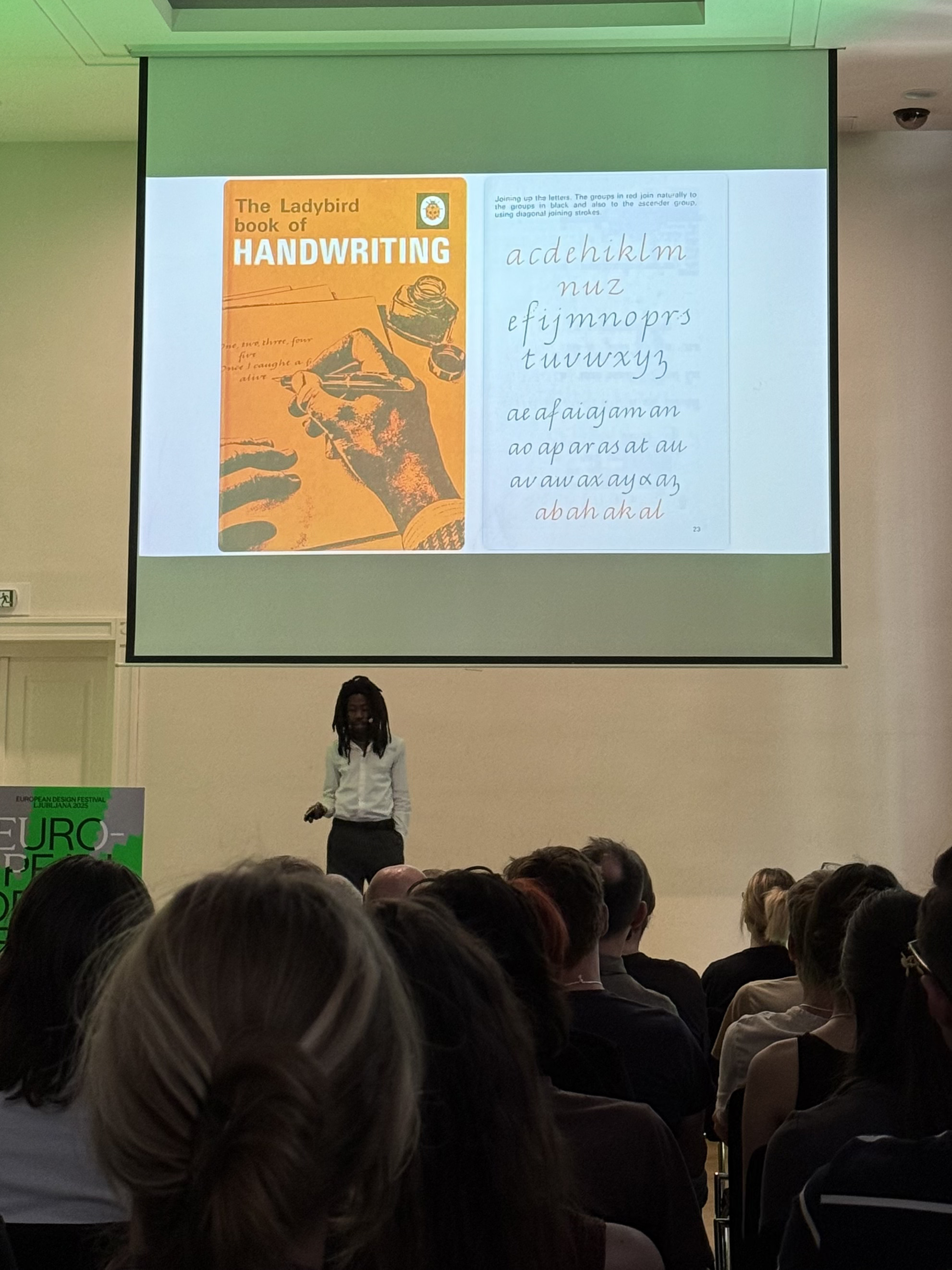
typetogether is a type foundry that ‘resists top-down norms, embraces diverse visual traditions, and centres voices from underrepresented markets.’ the incredible agyei archer spoke about what it means to have a truly decentralised approach to typography, and showed us examples of the vital work they’re doing to make sure that as many people as possible can express themselves in their own language, through typefaces that are designed with them.
agyei reminded us that decentralising is not about lowering the bar, or compromising on quality - instead, it raises it across more voices, allowing us to create truly groundbreaking work together. he’s so right. some of the best work we’ve ever read (and we love to read) have been the pieces we’ve received from people who didn’t think the literary world had space for them. but traditional literature filters writers through strict grammar rules, highbrow english, trained writers etc., excluding so many storytellers before they’ve had a chance to start.
inclusivity simply means widening the playing field by completely ignoring those filters, and a bigger catchment area allows us to discover more phenomenal stories than other publishers. it’s simple, really. towards the end of the talk, agyei said; “it’s nice to be nice. how’s the work?” thankfully, we know that it’s brilliant.
Aurelija Mockevičiūte from CleverFranke
this talk sparked the most discussion between lilou and i. aurelija opened by telling us that in her vision of the future, we will all be data visualisation designers - she went on to discuss how data visualisation is how we can help people to make sense of complexity. while we have no intention of becoming data viz designers, we were on board so far. but then she started talking about one of the projects she worked on at cleverfranke; a website that allows users to generate stories about climate change in africa. this allowed users to select what sources it included, what particular areas they found most interesting, and even what tone the piece was written in.
is this not terrifying? beyond the obvious contradiction that generative ai contributes so heavily to climate change, can we justify using it to mediate the lived experience of people in africa for the ease of readers abroad? we have to be able to be faced with the stories of other people without controlling the tone in which it arrives to us.
data visualisation is a useful and powerful tool, yes, but only when used as an entry point to complexity - not as a substitute. we have to be able to put effort into learning about experiences other than our own. how else can anything meaningful come to be?
storytelling is so important because it can make us uncomfortable, and it can challenge us and it can show up in different ways over time. it’s not always easily digestible, and that’s the point.
making complexity accessible can’t be about reducing it to a graphic. instead, we should refocus on giving people the resources and time to learn about complex topics at their own pace, and engage in conversations that open those worlds to them - confronting, uncomfortable, and slow as that might be. effort is human. effort is transformative, and worthwhile.
we came away from this weekend exhausted and full of motivation and ideas for publications to come. we feel so grateful that we get to do this work, and genuinely can’t believe that we get to go to such fascinating places and have conversations like these (not to mention receive awards there!). we’d love to know what you think of our little recap above - our comments and dms and emails are open as always for discussion or debate about it all.
Thanks for reading! This post is public so feel free to share it.
your bog bodies
lilou & réi